
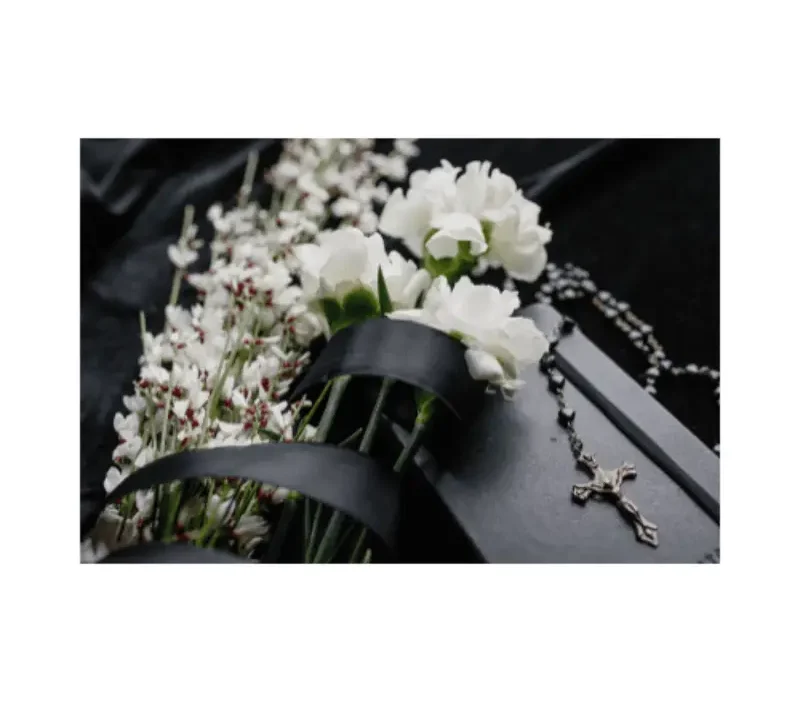
Flowers have long been used to express emotions that are difficult to put into words. Among their many symbolic meanings, some flowers have become strongly associated with death, mourning, remembrance, grief, farewell, transformation, and the cycle of life.
The meaning of a flower can change depending on the culture, color, historical period, and situation. A flower associated with death in one tradition may represent love, beauty, rebirth, or hope in another.
Today, flowers connected with death are commonly seen in funeral arrangements, memorial gardens, sympathy bouquets, graveside ceremonies, and remembrance events. Their symbolism is not necessarily dark. Many represent the idea of honoring a life while acknowledging loss.
Quick Answer: Which Flowers Symbolize Death?
Some of the flowers most commonly associated with death, mourning, remembrance, or the afterlife include:
- Chrysanthemum – mourning, death, remembrance
- Lily – peace, innocence, the soul, funeral remembrance
- Marigold – remembrance of the dead and honoring ancestors
- Red poppy – remembrance of people who died in war
- White rose – purity, farewell, remembrance
- Carnation – grief, remembrance, lasting love
- Hyacinth – sorrow and mourning
- Forget-me-not – remembrance and keeping someone’s memory alive
- Dahlia – inner strength, dignity, and lasting bonds
- Violet – mourning, remembrance, humility
- Orchid – love, respect, beauty, and remembrance
- Gladiolus – strength, sincerity, and remembrance
Not every flower on this list literally means “death.” Many symbolize the emotions surrounding death, particularly grief, remembrance, farewell, love, and hope.
1. Chrysanthemum Symbolism


7
Chrysanthemums are among the flowers most strongly associated with death and mourning in several cultures.
In parts of Europe and East Asia, chrysanthemums are commonly used in funerals and placed at graves or memorials. Because of this tradition, they can symbolize death, remembrance, grief, and honoring the deceased.
However, chrysanthemums have many other meanings too. Depending on the culture and color, they can represent friendship, longevity, joy, or love.
Chrysanthemum meanings include:
- Mourning
- Remembrance
- Respect
- Honor
- Farewell
- Longevity
The cultural context is especially important when interpreting chrysanthemum symbolism.
2. Lily Symbolism


7
Lilies are among the most recognizable flowers associated with funerals in the United States and other Western cultures.
The white lily is often connected with purity, peace, innocence, and the peaceful resting of the deceased. Its elegant appearance and fragrance make it a common choice for funeral arrangements and memorial services.
Lilies can therefore symbolize the transition from earthly life to remembrance.
Lily symbolism includes:
- Peace
- Purity
- Innocence
- Farewell
- Renewal
- Remembrance
The lily is not simply a symbol of death. It can also express hope and peace during grief.
3. Marigold Symbolism


6
Marigolds have a particularly important connection with remembrance in Mexican traditions surrounding Día de los Muertos, or Day of the Dead.
Their bright orange and yellow colors are used in altars and decorations honoring deceased family members. Their symbolism is connected with remembrance, celebration, love, and connection with ancestors.
This is an important distinction: the marigold does not simply symbolize death. It can represent the continuing relationship between the living and the memory of people who have died.
Marigold symbolism includes:
- Remembrance
- Honoring ancestors
- Love
- Celebration of life
- Memory
- Connection
4. Red Poppy Symbolism


7
The red poppy is strongly associated with remembrance of people who died in war.
Its modern symbolism became especially prominent after World War I and is connected with remembrance ceremonies in countries including the United States, United Kingdom, Canada, Australia, and others.
The poppy therefore represents more than death itself. It can symbolize sacrifice, remembrance, military service, and the human cost of war.
Red poppy meanings include:
- Remembrance
- Sacrifice
- Military service
- Loss
- Honor
- Peace
5. White Rose Symbolism


7
White roses are frequently used to express sympathy and remembrance.
Their pale color can represent purity, innocence, peace, and farewell. At funerals, white roses may also communicate respect for the person who has died.
Because roses are strongly associated with love, a white rose can express the idea that affection continues even after someone is gone.
White rose symbolism includes:
- Purity
- Peace
- Innocence
- Respect
- Farewell
- Lasting love
6. Carnation Symbolism


6
Carnations have a long history of symbolic meanings involving love, remembrance, admiration, and mourning.
Their long-lasting blooms can make them especially appropriate for memorial arrangements. Different colors can also communicate different emotions.
White carnations can suggest pure love and remembrance, while pink carnations may represent affection and gratitude.
Carnation symbolism includes:
- Remembrance
- Love
- Affection
- Admiration
- Grief
- Respect
7. Hyacinth Symbolism


6
Hyacinths have historical associations with sorrow and mourning in flower symbolism.
Purple hyacinths in particular are sometimes associated with grief and regret. Their connection with sorrow makes them an interesting symbolic choice when discussing flowers associated with loss.
At the same time, hyacinths can have positive meanings such as beauty and spring renewal.
This contrast demonstrates why flower symbolism should not be reduced to a single definition.
8. Forget-Me-Not Symbolism


6
The name itself makes the forget-me-not one of the clearest flowers associated with remembrance.
Rather than symbolizing death directly, it represents the desire to keep someone remembered after they are gone.
It can be especially meaningful in memorial gardens or personal tributes.
Forget-me-not symbolism includes:
- Memory
- Remembrance
- Lasting love
- Loyalty
- Connection
- Never forgetting
Its message is less about death itself and more about what remains after loss: memory.
9. Dahlia Symbolism


6
Dahlias are not universally considered death flowers, but they can have meaningful associations with dignity, inner strength, commitment, and lasting relationships.
Their structured petals can also make them appropriate for formal memorial arrangements.
When used in remembrance, dahlias may represent the strength of a person’s character and the lasting impact they had on others.
10. Violet Symbolism


6
Violets have historical associations with mourning, humility, modesty, and remembrance.
Their small size and understated appearance can create a gentle symbolism of quiet grief rather than dramatic sorrow.
Violets can therefore represent the private side of mourning: remembering someone quietly and carrying their memory forward.
11. Orchid Symbolism


8
Orchids can symbolize love, beauty, respect, and enduring affection.
White and pink orchids are sometimes used in sympathy and funeral arrangements because of their elegant appearance.
Rather than representing death itself, orchids can express the beauty of a life and the lasting affection felt by those left behind.
Their symbolism can be particularly appropriate when the goal is to communicate grace and remembrance.
12. Gladiolus Symbolism


6
Gladiolus flowers have traditionally been associated with strength, sincerity, character, and remembrance.
Their tall stems can create an impression of dignity and strength, making them suitable for formal funeral and memorial arrangements.
They can symbolize respect for someone who lived with courage or left a strong impression on others.
Why Do Flowers Symbolize Death?
Flowers are closely connected with death because they naturally reflect the cycle of life.
A flower grows, blooms, fades, and eventually returns to the natural environment. This visible cycle provides a powerful metaphor for human life.
Flowers are also temporary. Their beauty does not last forever, which can make them especially meaningful during mourning.
For this reason, flowers at funerals can communicate several ideas at once:
- Life is temporary.
- Beauty can exist alongside grief.
- Loved ones can be remembered after death.
- Loss is part of the human experience.
- Life continues even after someone dies.
Flowers That Symbolize Death in Different Cultures
There is no universal flower of death.
Different cultures have developed different traditions around flowers and mourning.
United States and Western Europe
Lilies, roses, carnations, chrysanthemums, and gladiolus are commonly associated with funeral and sympathy arrangements.
Mexico
Marigolds are strongly associated with Día de los Muertos and remembrance of deceased loved ones.
East Asia
Chrysanthemums have important connections with funerals and remembrance in several countries, although their meanings vary by location and context.
Military Remembrance
The red poppy has become an important symbol of remembrance for those who died in war.
These differences show why cultural context matters when interpreting flower symbolism.
White Flowers That Symbolize Death
White flowers are particularly common in funeral traditions because white is often associated with peace, purity, innocence, and farewell.
Examples include:
- White lilies
- White roses
- White chrysanthemums
- White carnations
- White orchids
- White gladiolus
However, white flowers do not inherently mean death. In many contexts, they simply represent purity, peace, sympathy, or respect.
Flowers That Symbolize Grief and Mourning
Some flowers are more closely connected with the emotions surrounding death than death itself.
Common examples include:
Chrysanthemum: mourning and remembrance
Hyacinth: sorrow and regret
Violet: quiet mourning
Carnation: remembrance and love
Forget-me-not: memory and never forgetting
White rose: sympathy and farewell
These flowers can communicate emotions that are difficult to express verbally.
Flowers That Symbolize Remembrance
If the goal is to honor someone who has died rather than focus directly on death, remembrance flowers may be especially appropriate.
Some meaningful choices include:
- Forget-me-nots
- Red poppies
- Marigolds
- Chrysanthemums
- White roses
- Carnations
- Violets
These flowers emphasize the idea that a person’s memory can continue even after their physical life has ended.
Flowers for Funerals and Memorial Services
The best funeral flower depends on the relationship with the deceased, cultural traditions, and the message you want to communicate.
For peace
White lilies or white roses can express peace and serenity.
For remembrance
Forget-me-nots or chrysanthemums can emphasize memory.
For honoring military service
Red poppies are strongly associated with remembrance of wartime sacrifice.
For celebrating a life
Marigolds can communicate remembrance and celebration within appropriate cultural traditions.
For lasting love
Roses or carnations can express affection and enduring emotional connection.
What Flowers Symbolize Death in Dreams?
Flowers appearing in dreams do not have one fixed meaning. Their interpretation depends heavily on the dreamer’s emotions and circumstances.
Seeing funeral flowers
This may reflect grief, remembrance, change, or concern about losing something important.
Seeing dead or wilted flowers
Wilted flowers may symbolize endings, fading relationships, disappointment, or the natural conclusion of a life stage.
Receiving flowers after a death
This could represent emotional support, sympathy, or the need for comfort.
Seeing fresh flowers at a grave
Fresh flowers may symbolize continuing love, remembrance, or acceptance.
Seeing flowers blooming near a grave
This image can represent renewal and the idea that life continues despite loss.
Are Flowers That Symbolize Death Always Negative?
No.
This is one of the most important points about death symbolism.
Flowers connected with death can also represent:
- Love
- Honor
- Peace
- Memory
- Hope
- Renewal
- Gratitude
- Celebration of life
- Spiritual reflection
A funeral flower arrangement is rarely intended to celebrate death itself. More often, it honors the person’s life and provides a visual expression of emotions surrounding their passing.
Death and Flower Symbolism: The Connection With Renewal
Death symbolism does not always represent an absolute ending.
In nature, death and renewal are part of the same cycle. Plants lose leaves, flowers fade, seeds remain dormant, and new growth eventually appears.
This natural cycle has influenced symbolic interpretations of flowers for centuries.
A flower can therefore represent both:
Ending → remembrance → renewal
This is why flowers can be appropriate not only for funerals but also for memorial gardens, anniversaries of someone’s death, and personal moments of reflection.
Final Thoughts
Flowers that symbolize death are often really flowers that symbolize what surrounds death: grief, remembrance, love, respect, farewell, and the continuation of memory.
Chrysanthemums, lilies, marigolds, red poppies, white roses, carnations, hyacinths, forget-me-nots, violets, orchids, dahlias, and gladiolus all carry meaningful associations, but their symbolism changes across cultures and circumstances.
The most important lesson is that a flower associated with death does not have to represent something frightening or negative. In many traditions, flowers transform grief into something visible and meaningful. They help people say “I remember,” “I honor you,” “I love you,” and “your life mattered” without needing words.


