
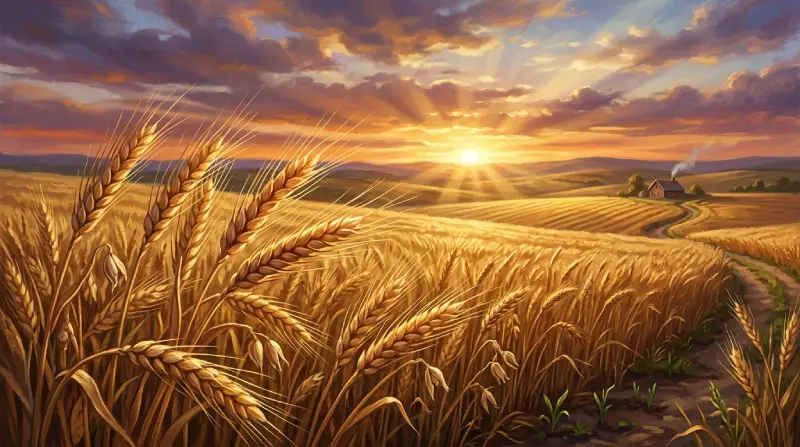
Grain symbolism is closely connected with abundance, nourishment, prosperity, patience, hard work, and the cycle of life. From wheat and corn to rice, barley, and oats, grains have supported human communities for thousands of years and often became symbols of survival and shared prosperity.
In the United States, grain can represent more than food. It can suggest a good harvest, financial stability, family traditions, rural life, gratitude, and the rewards of consistent effort. Its meaning can also change depending on the type of grain, cultural setting, and situation.
Quick Answer
Grain commonly symbolizes abundance, nourishment, prosperity, hard work, patience, and renewal. Because grain grows from small seeds into useful food, it often represents the idea that steady effort can produce meaningful results.
TL;DR
- Grain symbolizes nourishment, abundance, and survival.
- Wheat often represents prosperity and harvest.
- Corn can symbolize growth, community, and generosity.
- Seeds represent potential and new beginnings.
- Harvested grain can represent rewards for hard work.
- Grain traditions often connect people with family and community.
9 Powerful Meanings of Grain Symbolism
1. Abundance
One of the strongest meanings associated with grain is abundance.
A field filled with mature grain represents a successful growing season and enough food to support a household or community. Because of this connection, grain has become a visual symbol of having enough and being prepared for the future.
In modern American symbolism, grain can represent financial security, a productive season, or a life filled with useful resources.
Images of wheat sheaves, full grain baskets, and golden fields often communicate this idea without needing words.
2. Nourishment and Life
Grain is fundamentally connected with nourishment.
Bread, cereals, flour, cornmeal, rice, oats, and many other everyday foods begin with grains. Their role in feeding people gives grain a powerful association with life, health, family care, and basic security.
Symbolically, giving grain can therefore suggest providing for others.
A person who grows, stores, prepares, or shares grain may be represented as someone contributing to the well-being of a larger community.
3. Hard Work and Reward
Grain does not appear immediately after a seed is planted. It requires preparation, planting, water, sunlight, care, and time before a harvest is possible.
That natural process makes grain a useful symbol of hard work and earned rewards.
The symbolism is especially clear during harvest. A field of mature grain can represent the visible result of months of effort.
For Americans, this meaning can extend beyond farming. Grain can symbolize education, career progress, business success, or any achievement built through patience and consistent work.
4. Patience
Grain also represents patience because crops develop according to a natural timetable.
Farmers cannot force a seed to become mature overnight. Growth requires waiting for the right conditions.
As a symbol, grain can encourage a person to trust the process without confusing patience with inactivity.
It suggests that preparation and steady effort matter even when results are not immediately visible.
5. Prosperity and Wealth
Historically, a strong harvest could mean greater security, trade opportunities, and economic stability.
For that reason, grain became associated with prosperity and material well-being.
A full granary suggests that resources are available. A successful harvest suggests that the work of an entire growing season has paid off.
In modern symbolism, grain can still represent financial growth, successful business, household stability, and the ability to build something sustainable.
6. Fertility and Growth
Seeds contain the potential for new growth, making grain closely connected with fertility.
The symbolism does not have to be limited to childbirth. Grain can represent the fertility of land, creative ideas, business projects, relationships, and personal goals.
A handful of seeds may symbolize possibilities that have not yet developed. Mature grain, by contrast, represents potential that has become visible and useful.
This makes grain especially appropriate when discussing new beginnings and long-term development.
7. Community and Sharing
Grain has rarely been only an individual resource.
Growing, harvesting, storing, grinding, and preparing grain have historically involved families and communities. Food made from grain is also commonly shared during meals, celebrations, and gatherings.
This gives grain an important symbolic connection to community, cooperation, generosity, and mutual support.
A loaf of bread shared between people can therefore communicate something different from a field of wheat. The field may emphasize abundance, while the shared bread emphasizes connection.
8. Renewal and the Cycle of Life
Grain symbolism also reflects the repeating cycle of nature.
A seed is planted, a crop grows, mature grain is harvested, and new seeds can begin another growing season. This cycle connects grain with renewal, change, death, and rebirth.
The symbolism can be especially meaningful during major life transitions.
Grain may represent the idea that one stage of life can provide the foundation for another. What is harvested today can help create the next beginning.
9. Gratitude
A successful harvest has traditionally represented something worth appreciating.
Grain can therefore symbolize gratitude for food, work, nature, family, and shared resources.
This meaning is particularly relevant around harvest celebrations and Thanksgiving-related imagery in the United States.
Golden wheat, corn, pumpkins, bread, and other agricultural images often create a visual language of thankfulness and seasonal abundance.
Grain Symbolism in Different Types of Grain
Not every grain carries exactly the same symbolic meaning. The plant’s appearance, cultural history, uses, and growing environment can influence how people interpret it.
| Grain | Common Symbolic Meaning | Modern Interpretation |
|---|---|---|
| Wheat | Abundance, prosperity, harvest | Success, stability, achievement |
| Corn | Growth, nourishment, community | Family, generosity, American agriculture |
| Rice | Life, prosperity, fertility | Celebration, family, good fortune |
| Barley | Strength, nourishment, resilience | Endurance and practical success |
| Oats | Health, simplicity, nourishment | Wellness and dependable living |
| Rye | Resilience, survival, productivity | Adaptability and persistence |
These meanings are broad symbolic associations rather than universal rules. A grain can carry different meanings across cultures and individual experiences.
Wheat Symbolism
Wheat is probably one of the most recognizable grain symbols in Western culture.
Its golden color and association with harvest make it a natural symbol of abundance, prosperity, nourishment, and achievement.
Wheat sheaves have also appeared in agricultural imagery, decorative art, religious traditions, and seasonal displays.
Today, Americans may associate wheat with farming, bread, food production, rural landscapes, harvest season, and economic productivity.
A single stalk can suggest potential. A full wheat field can suggest abundance.
Corn Symbolism
Corn has a particularly strong place in American agricultural imagery.
It can symbolize nourishment, growth, productivity, family, and community. Because corn is deeply connected with North American agriculture and food traditions, it can also evoke regional identity and rural life.
Corn symbolism can change depending on context.
A field of corn may represent productivity and abundance, while corn served at a family meal may emphasize nourishment and togetherness.
Rice Symbolism
Rice is widely associated with prosperity, fertility, celebration, and life in many cultures.
In the United States, rice can appear in wedding traditions, family celebrations, cultural festivals, and everyday meals.
Its symbolic meaning is therefore often connected with good fortune, family, abundance, and important life events.
Because rice is such a major food staple around the world, it can also represent the importance of shared nourishment.
Grain Symbolism in the Harvest
Harvest is one of the most important contexts for understanding grain symbolism.
A harvest marks the point when earlier work becomes visible. Seeds that once looked insignificant have developed into a useful crop.
Symbolically, this creates a simple story:
planting → growth → patience → harvest → sharing
This pattern can apply to many areas of life.
Someone starting a business may think of the early stage as planting. Years of effort represent growth. Success becomes the harvest.
This is why grain symbolism can feel relevant even to people who have never worked on a farm.
Grain Symbolism in American Culture
In the United States, grain imagery is strongly connected with agriculture and the idea of the harvest.
Wheat fields, cornfields, barns, silos, bread, and farm landscapes can evoke ideas of productivity, self-sufficiency, family traditions, and rural heritage.
Grain also appears in seasonal decoration. Dried wheat can be used in autumn arrangements, centerpieces, wreaths, and home décor.
These modern uses often emphasize warmth, simplicity, gratitude, and abundance rather than literal farming.
Grain Symbolism in Dreams
Dream interpretations are personal, but grain can carry several common symbolic themes.
Seeing healthy grain in a dream may suggest growth, opportunity, abundance, or confidence about future results.
A harvest may represent the rewards of previous effort.
Planting seeds or grain may reflect a new project, relationship, goal, or stage of life.
Damaged or spoiled grain could symbolize worries about wasted effort, missed opportunities, insecurity, or resources being lost.
The meaning depends heavily on the dreamer’s emotions and circumstances. A positive dream about grain may communicate hope, while an anxious dream may reflect concerns about security or success.
Grain Symbolism in Spiritual Traditions
Grain has appeared in many religious and spiritual traditions because food and agriculture are fundamental parts of human life.
It can symbolize nourishment, sacrifice, gratitude, renewal, fertility, and the relationship between human communities and the natural world.
However, there is no single spiritual meaning that applies everywhere.
Different religions and cultures have developed their own interpretations of grain, wheat, bread, rice, corn, and harvest traditions. It is therefore better to understand grain symbolism within its specific cultural setting rather than treating one interpretation as universal.
Grain Symbolism in Relationships
Grain can also have meaningful associations with relationships.
Because grain represents nourishment and sharing, it may symbolize support, commitment, generosity, and building a stable life together.
A shared meal can represent emotional connection and mutual care.
Grain may also symbolize a relationship that develops slowly. Like a crop, a strong relationship requires attention, patience, and consistent effort.
For this reason, grain symbolism can work especially well for themes involving long-term partnerships and family life.
Grain Symbolism in Weddings and Celebrations
Grain and harvest imagery can appear in weddings and other celebrations because they communicate prosperity and a hopeful future.
Wheat can be used in bouquets, centerpieces, invitations, rustic décor, and seasonal arrangements.
The symbolism may suggest:
- A prosperous future
- A stable household
- Shared nourishment
- Growth together
- Family support
- Gratitude
- New beginnings
In these settings, grain is usually less about agriculture itself and more about building a life that can grow and provide for others.
Grain as a Symbol of Personal Growth
One of the most useful modern interpretations of grain is personal growth.
A seed represents potential, but potential alone is not the final result. Growth requires time, conditions, and care.
This makes grain a practical metaphor for personal development.
Someone learning a skill, recovering from a setback, building a career, or working toward a major goal may identify with the planting-and-harvest cycle.
The symbolism encourages patience without ignoring effort.
Negative Meanings of Grain Symbolism
Although grain usually carries positive associations, it can also have darker meanings depending on context.
Possible negative interpretations include:
- Failed expectations
- Wasted effort
- Scarcity
- Hunger
- Loss
- Overdependence on material success
- Fear of an unsuccessful harvest
- Environmental or economic uncertainty
A barren field, ruined crop, or empty grain storehouse can symbolize insecurity rather than abundance.
This contrast is important because grain symbolism is connected not only with having enough, but also with the fear of not having enough.
Grain Symbolism in Art and Home Décor
Grain remains popular in decorative imagery because it naturally communicates warmth and simplicity.
Dried wheat, wheat bundles, corn stalks, grain baskets, and harvest arrangements are common choices for autumn and farmhouse-inspired décor.
These objects can create a feeling of:
- Warmth
- Stability
- Abundance
- Nature
- Gratitude
- Simplicity
- Seasonal change
Modern decorative use often separates the symbol from its agricultural origins. A wheat arrangement may simply communicate a welcoming, natural atmosphere.
What Does Grain Symbolize Spiritually?
Spiritually, grain is often interpreted as a symbol of nourishment, abundance, growth, renewal, gratitude, and the cycle of life.
Its symbolism comes naturally from the process of planting, growing, harvesting, and using seeds to begin another crop.
Rather than treating these meanings as supernatural facts, it is more useful to understand them as cultural and personal interpretations that people attach to agriculture and the natural world.
What Does It Mean to See Grain?
Seeing grain can symbolize abundance, progress, nourishment, or the results of hard work.
The specific form matters. A green field may suggest growth and possibility, while mature golden grain may represent achievement and harvest.
If the grain is damaged or scattered, the symbolism may shift toward uncertainty, loss, or wasted opportunity.
Grain Symbolism and the Meaning of Seeds
Seeds are the beginning of the grain cycle, so they often symbolize potential and possibility.
A seed does not show what it will eventually become. It represents something that has the capacity to develop.
This makes seed symbolism useful for new projects, relationships, ideas, careers, and personal goals.
The message is simple: something small can become significant when it receives the right conditions and care.
Frequently Asked Questions
What is the main meaning of grain symbolism?
Grain commonly symbolizes abundance, nourishment, prosperity, hard work, and growth. Its connection with harvest also makes it a symbol of rewards earned through patience and effort.
What does wheat symbolize?
Wheat commonly represents abundance, prosperity, nourishment, harvest, and success. In modern American imagery, it can also suggest farming, rural heritage, stability, and productivity.
What does grain symbolize spiritually?
Grain can represent nourishment, renewal, gratitude, fertility, and the cycle of life in various spiritual traditions. The exact interpretation depends on the cultural or religious context.
What does grain symbolize in dreams?
Grain in dreams may represent growth, opportunity, abundance, or the results of previous effort. A harvest can suggest achievement, while damaged grain may reflect worries about loss or wasted effort.
Does grain symbolize prosperity?
Yes. A successful grain harvest traditionally represents having enough food and resources, which gives grain strong associations with prosperity, security, and material well-being.
What does planting grain symbolize?
Planting grain can symbolize new beginnings, potential, patience, and investing effort in the future. It can be a useful metaphor for starting a relationship, project, career, or personal goal.
Why is grain associated with abundance?
Grain is associated with abundance because a healthy harvest produces food and resources that can support individuals, families, and communities. Full fields and grain stores therefore became visual symbols of having enough.
Conclusion
Grain symbolism centers on abundance, nourishment, hard work, patience, prosperity, growth, and renewal. From a small seed to a mature harvest, grain provides a natural image of how effort and time can create something valuable.
In modern American culture, grain can represent both agricultural heritage and broader ideas such as financial stability, family, gratitude, personal achievement, and community. Its meaning becomes especially powerful when connected with harvest, sharing, or new beginnings.


